In June 1974, Genesis found themselves at a pivotal moment in their career. The band, having evolved through various phases, was now at the cusp of creating one of their most ambitious and transformative albums: The Lamb Lies Down on Broadway. Genesis had entered a new phase, both creatively and personally. The group decided to record in a new environment, seeking a place that would inspire their next sonic chapter. They chose Headley Grange, a decaying old eighteenth-century poorhouse in East Hampshire, previously inhabited by artists like Led Zeppelin and Bad Company. But when Genesis arrived, it was in a dilapidated state. The previous occupants had left behind quite a mess, and the house, with its eerie atmosphere, only added to the tension brewing within the band.
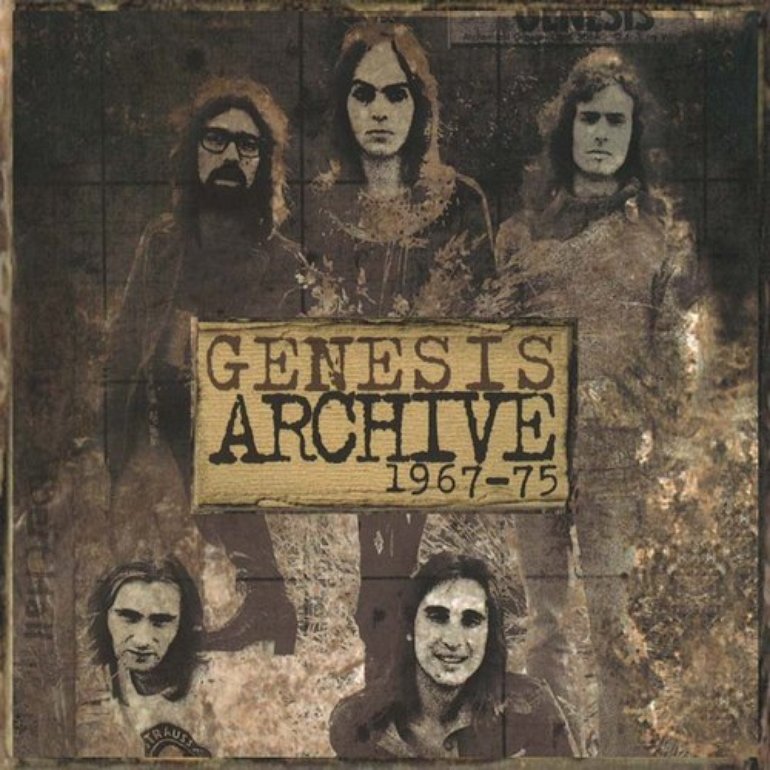
In June 1998, Genesis released the first of their two Archive box sets. Covering the years from 1967 to 1975, Genesis Archive 1967–1975 offered fans an unprecedented look into the band’s formative years and the entire Peter Gabriel era.
A Project Years in the Making
The idea of an extensive Genesis archive release had actually been around since 1994. Originally, the band planned to issue three separate box sets: one covering the Gabriel years, another spanning the late 1970s and early 1980s, and a third focusing on the band’s most commercially successful period from the mid-1980s onwards.
As so often happens with archival projects, plans changed. After several delays, the material was eventually condensed into two releases. The first, Genesis Archive 1967–1975, arrived in 1998. The second, Genesis Archive 2: 1976–1992, followed in 2000 and focused on the Phil Collins era.
Together, the two collections unearthed a wealth of previously unreleased live recordings, demos, B-sides and studio rarities.
The Complete Lamb Lies Down on Broadway Live Performance
The first two discs of Archive 1967–1975 are devoted to a complete performance of Genesis’s masterpiece, The Lamb Lies Down on Broadway.
During the band’s 1974–75 tour, the entire double album was performed live each night. Shortly after the tour ended, Peter Gabriel left Genesis, making these recordings particularly significant.
The performance featured on the box set was recorded at the Shrine Auditorium in Los Angeles. While it finally gave fans an official release of the complete Lamb show, one element was largely missing: many of Gabriel’s famous storytelling interludes between songs were edited out.
Revisiting the Past
The recording is not entirely untouched. In 1995, Peter Gabriel and Steve Hackett returned to add new vocal and guitar parts where the original tapes required restoration.
Gabriel recorded his contributions at his Real World Studios, and attentive listeners can often hear the difference between his 1970s voice and the one heard on the archive release. Another unavoidable limitation was the ending of “It,” which fades out because the original tape ran out before the song had finished.
Despite these alterations, the performance remains remarkable. The band sounds powerful and confident, while the audience’s enthusiasm is palpable throughout.
For the most part, the songs closely follow their studio counterparts. The major exception is “The Waiting Room,” the album’s experimental instrumental section, which was improvised differently each night. Highlights include the title track, “Fly on a Windshield,” and an especially moving version of “The Carpet Crawlers.”
Selling England Live at the Rainbow
Disc three shifts focus to the Selling England by the Pound tour of 1973, drawing primarily from performances recorded at London’s Rainbow Theatre.
For many fans, this was one of the most exciting aspects of the release. At last, official live versions of classics such as “Dancing with the Moonlit Knight” and “Supper’s Ready” became available with Peter Gabriel on lead vocals.
Unlike the Lamb recordings, Gabriel’s stage introductions and stories were preserved here, offering a valuable glimpse into Genesis’s legendary live performances of the early 1970s.
The disc also includes the band’s 1971 BBC recording of “Stagnation,” alongside non-album gems such as “Twilight Alehouse” and “Happy the Man.”
The Hidden Treasure: Disc Four
For many longtime fans, the fourth disc is the true jewel of the collection.
Dedicated to Genesis’s earliest years with guitarist Anthony Phillips, it features BBC sessions, demos and rare recordings from a period when the band’s identity was still taking shape.
Listening to these recordings feels like hearing Genesis becoming Genesis.
Among the highlights are early versions of songs that would later evolve into familiar classics, alongside lesser-known tracks such as “Hey!” that reveal a gentler, more pastoral side of the band’s music.
There is a distinctive atmosphere running through these recordings, one that many listeners associate with Anthony Phillips’s influence and which largely disappeared after his departure in 1970.
Some casual listeners may find this disc the most challenging, but for dedicated fans it is arguably the most rewarding.
A Comprehensive Package
Beyond the music itself, the box set included an impressive 82-page booklet featuring an extensive band history, rare photographs and interviews with members of Genesis and their associates.
The collection finally provided official live recordings of many Gabriel-era favourites. Prior to its release, the only official live album featuring Gabriel had been Genesis Live (1973), which covered material primarily from Trespass, Nursery Cryme and Foxtrot.
The inclusion of B-sides and previously unreleased songs such as “Twilight Alehouse” added even more value. Although some known demos and rarities remained absent from the final selection, Archive 1967–1975 was widely regarded as an extraordinary release.
Fans clearly agreed: the box set reached No. 35 on the UK Albums Chart.
A Rare Reunion at Heathrow
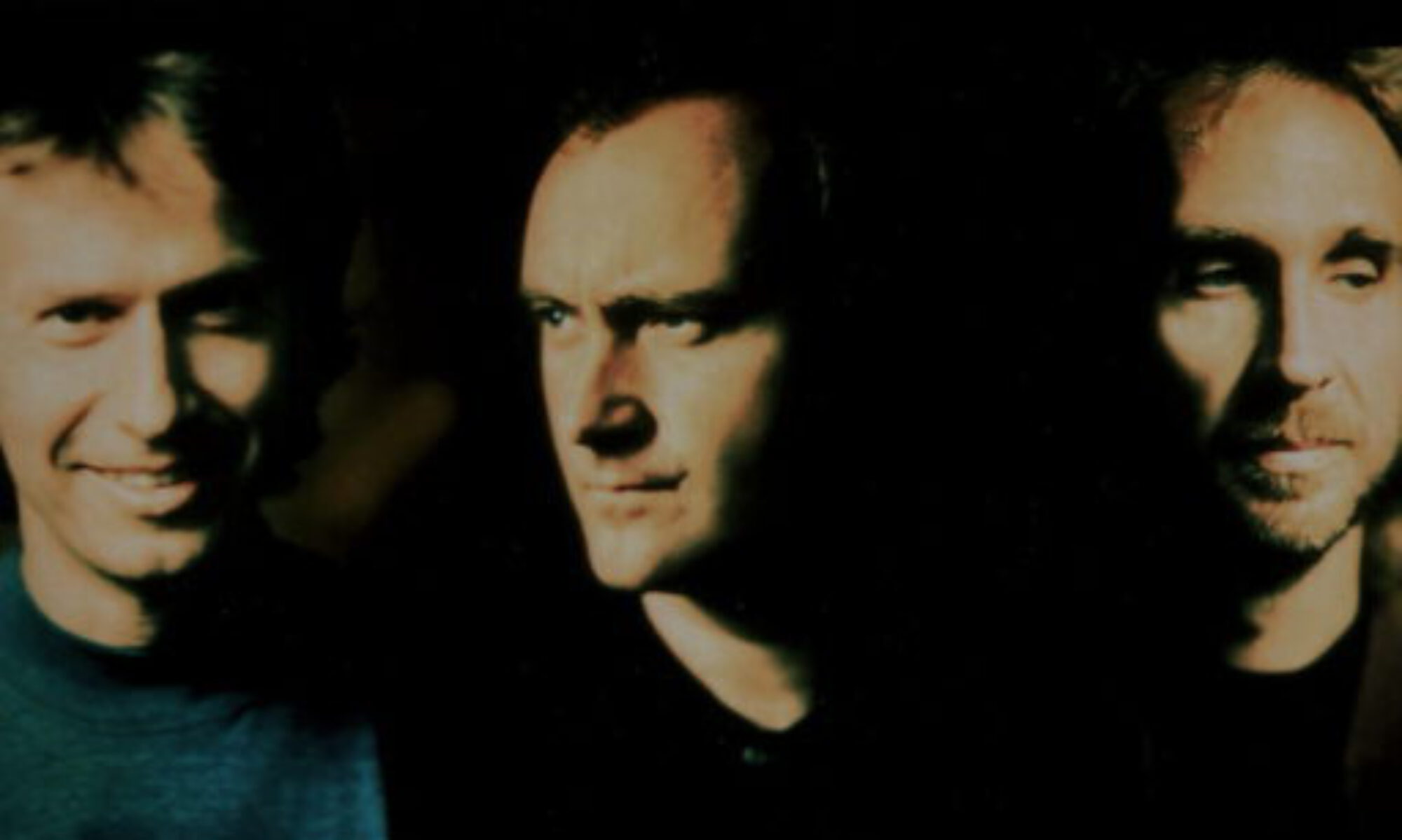
To promote the release, Genesis staged a remarkable reunion photo session at Heathrow Airport in May 1998.
Present were Tony Banks, Peter Gabriel, Mike Rutherford, Phil Collins, Steve Hackett, Anthony Phillips and original drummer John Silver. Even the band’s very first drummer, Chris Stewart, attended the dinner that followed the photo shoot.
Only Trespass-era drummer John Mayhew was absent.
For fans, the images were almost as exciting as the music itself: a rare gathering of nearly every significant figure from Genesis’s history.
Looking Ahead
The success of Archive 1967–1975 paved the way for a second collection. Released in 2000, Genesis Archive 2: 1976–1992 explored the Phil Collins era and completed the band’s ambitious effort to open its vaults.
More than twenty-five years later, Archive 1967–1975 remains an important release in the Genesis catalogue: a fascinating journey through the band’s early years and an essential document of the Peter Gabriel era.
On May 22, 1975, Genesis played the final show of their ambitious The Lamb Lies Down on Broadway tour. It would also mark the last time Peter Gabriel performed with the band as lead vocalist.
The Lamb Lies Down On Broadway: A Bold New Chapter
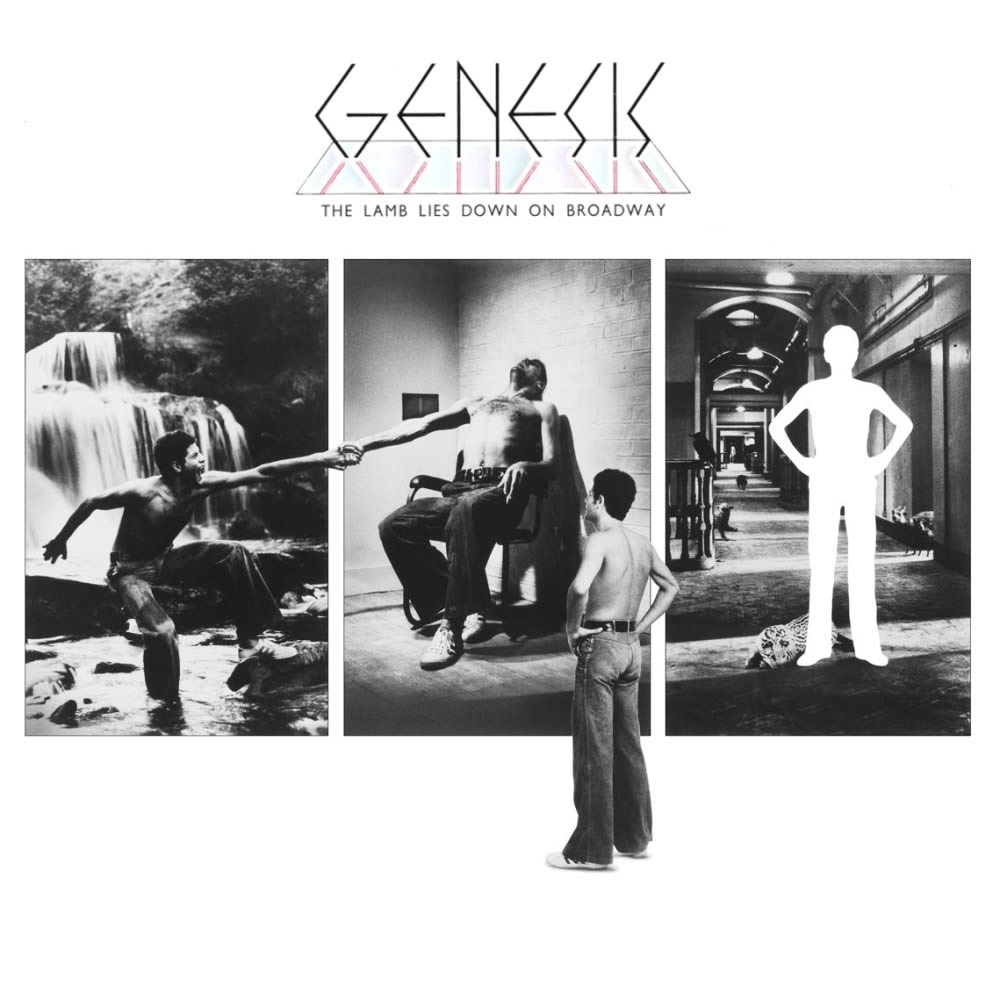
In 1974, Genesis entered the studio to record their most ambitious project yet: The Lamb Lies Down on Broadway. The double concept album told a surreal and complex story by Peter Gabriel, following a Puerto Rican teenager named Rael as he journeys through a strange underworld beneath New York City.
The urban American setting was a dramatic shift from the band’s earlier tales rooted in British folklore and fantasy. After touring North America, Genesis were aiming to break into the U.S. market. The Lamb was also their first true concept album (after an unsuccessful attempt on their debut), a hallmark of many progressive rock bands at the time.
Internally, however, tensions were mounting. Gabriel wrote all the lyrics and developed the story independently, while Tony Banks, Mike Rutherford, and Phil Collins composed most of the music during jam sessions at Headley Grange. Steve Hackett’s contributions were minimal, and the creative disconnect between words and music created friction. Only one track, “The Light Dies Down on Broadway”, had lyrics penned by Banks and Rutherford instead of Gabriel.
Behind-the-Scenes Tensions
Two key factors contributed to Gabriel’s growing estrangement from the band. First, he had attracted interest from The Exorcist director William Friedkin, who was keen to collaborate on a film. Gabriel was tempted, even considering leaving the band, but the project never materialized.
Second, Gabriel’s wife Jill gave birth to their first daughter, Anna, in July 1974. Complications following the birth drew Gabriel further away from the group. He was the first member to start a family, and this life change made him reassess his priorities and see a future beyond the band. His inner conflict bled into The Lamb‘s narrative, for example in the song “In the Cage,” where Rael cries, “Get me out of this cage!”
Upon release, The Lamb Lies Down on Broadway received mixed reviews and was commercially underwhelming. Ticket sales for the tour were below expectations, and several shows were cancelled. Though the album is now revered as a cult classic, its reception at the time was disappointing, particularly for Gabriel, who had poured his heart into the concept.
A Tour Like No Other
The band made the bold decision to perform the album in full on tour, even before many fans had a chance to hear it. Gabriel, already known for his theatrical costumes, pushed the visual spectacle even further, but it came at a cost. His elaborate outfits, including the infamous “Slipperman” costume, sometimes muffled his vocals or distracted from the music itself. The rest of the band grew frustrated, feeling the show had become more about theatrics than sound.
Technical problems were frequent. The stage used projected slides to accompany the story, but they often jammed or displayed out of sequence. In one infamous incident, a Peter Gabriel dummy meant to mirror him on stage was mysteriously swapped for a naked roadie. And during a song that required a small explosion, the production manager accidentally triggered a huge blast so loud that the band stopped mid-song. Peeking through the curtain, the crew member sheepishly said, “Sorry,” to which Phil Collins yelled, “You’re fired!”
Gabriel’s Departure
Midway through the tour, Gabriel made the decision to leave Genesis. Their manager Tony Smith was not surprised, but asked him to finish the remaining dates before making it public.
Gabriel’s final show with Genesis took place in Saint-Étienne, France, in May 1975. Ironically, it wasn’t meant to be the last show, but the scheduled final concert was canceled at the last minute. And so, without much fanfare, Peter Gabriel’s time with Genesis came to an end.
He had co-founded the band in 1967 alongside Tony Banks, Mike Rutherford, and Anthony Phillips. His departure, announced later that year, shocked fans and cast doubt over the band’s future. Could Genesis survive without their charismatic frontman?
As history would show — they could. And so could he.
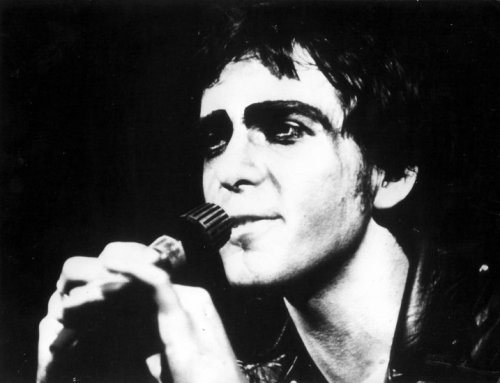
Photo: Peter Gabriel in 1975. Photographer unknown. https://commons.wikimedia.org/wiki/File: Peter_Gabriel,_April_1975.jpg. Unknown author / CC0 (https://creativecommons.org/licenses/by/3.0).