Genesis’ First Gig Abroad: Belgium, March 7, 1971

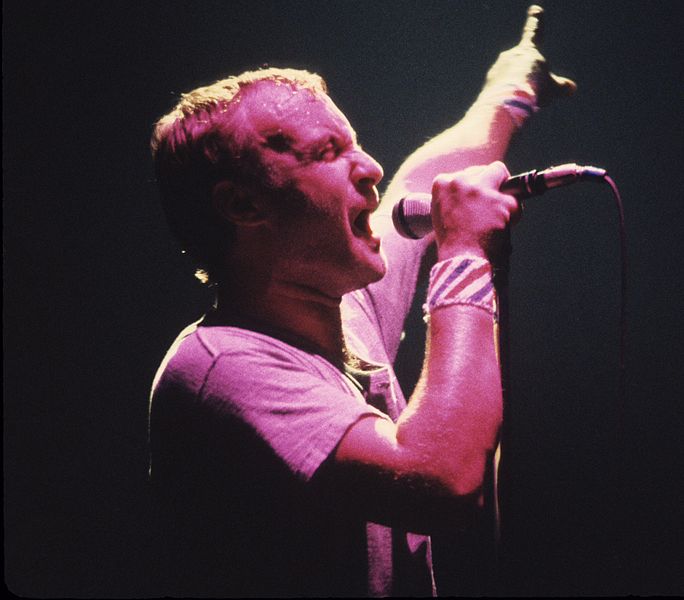
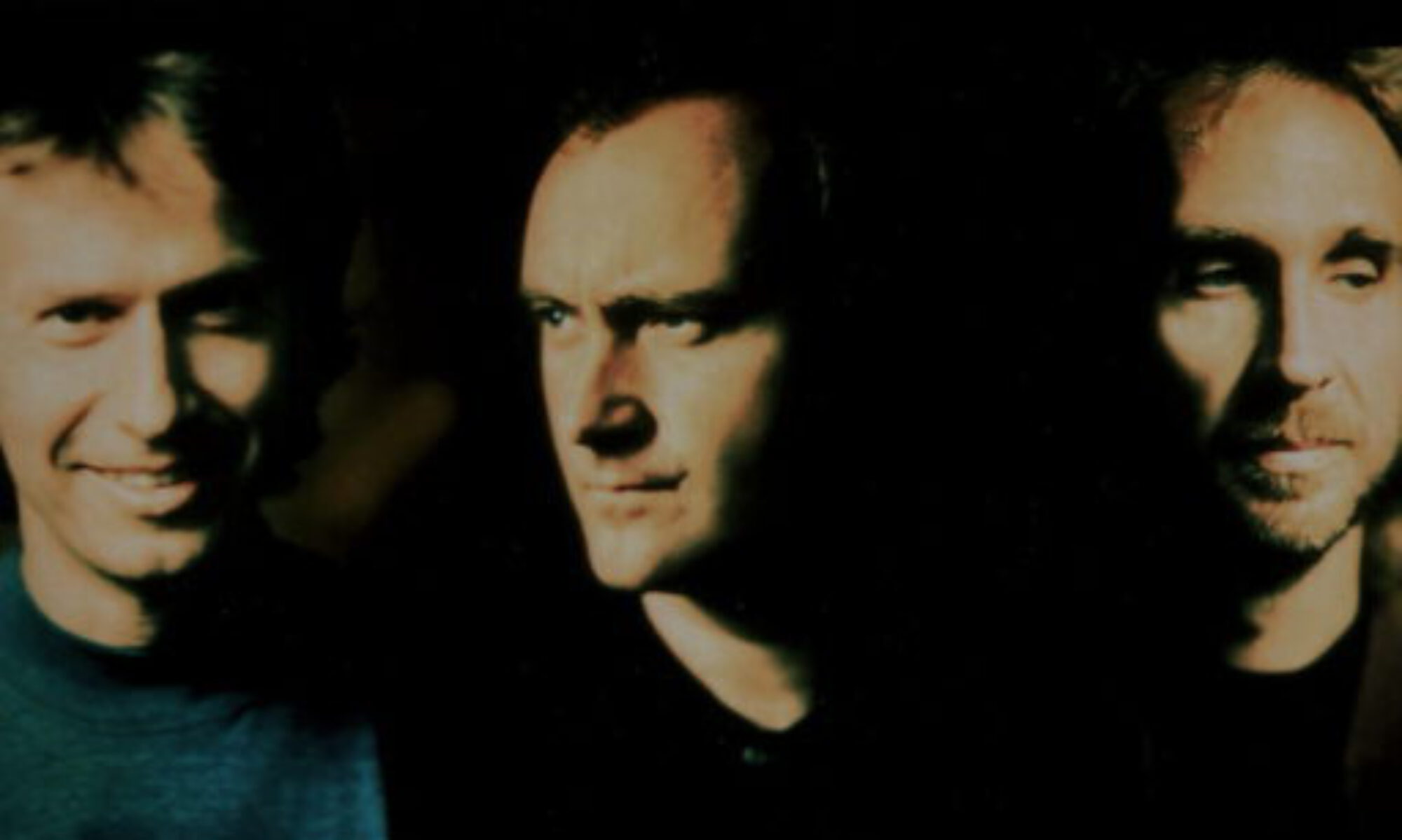
Genesis played their first-ever overseas concert on March 7, 1971, at La Ferme in Woluwe St. Lambert, Belgium. This landmark performance marked a significant step in the band’s journey, as they ventured beyond the UK for the first time.

Trespass Had Charted in Belgium

At the start of 1971, Genesis had yet to achieve major success in their home country. However, things were different on the continent: their second album, Trespass, had reached number one in Belgium. Encouraged by this unexpected success, the band – now featuring new members Phil Collins on drums and Steve Hackett on guitar – headed to Belgium for their first international show.
A Rough Journey Across the Channel

The band crossed the English Channel on an overnight ferry, but sleep was out of the question. Unable to afford cabins, they spent the night sitting on deck – while Phil, suffering from seasickness, spent most of it throwing up. Running on little more than beer and sandwiches, they arrived in Belgium the next morning, drove straight to the venue, and played.

The Setlist: A Mix of Old and New

The setlist featured songs from Trespass, live favorites, and two brand-new tracks. As was typical for Genesis at the time, the performance started with acoustic material before building up to heavier numbers. Fortunately, a recording of this historic gig exists, allowing us to hear most of the show (though some parts are missing). It also contains the only known live recording of the rare song “The Light”, which features early elements that would later evolve into The Lamb Lies Down on Broadway’s “Lilywhite Lilith.”

Opening with a New Song

The show began with the band’s latest composition, “Happy The Man” – introduced by Peter Gabriel as a song about a man who “eats his fingernails, probably.” Built around a Mike Rutherford riff, the song had a laid-back, folk-rock feel, reminiscent of Lindisfarne. It was an attempt at a radio-friendly single, and in this live version, it was performed at a slightly slower tempo.

Next came “Stagnation” from Trespass – which Gabriel jokingly described as being about “people with bad breath.” This live rendition, enhanced by Phil Collins’ drumming, had a swing that was missing from the studio version.

The Only Recorded Performance of “The Light”

After a few minutes of Peter’s humorous attempts to introduce the band, they launched into “The Light” – a rarity in Genesis’ catalog. The song’s opening bass riff would later be repurposed for “Lilywhite Lilith”, and Steve Hackett’s guitar parts would also find their way into that track. “The Light” then developed into a full-fledged progressive rock piece, featuring an extended instrumental jam between Tony Banks and Hackett. Eventually, the song returned to a section that closely resembled the later Lamb Lies Down classic. Compared to other Genesis compositions from this era, “The Light” stands out as a unique and intriguing experiment.

A Blend of Familiar and Unfinished Material

Next, the band slowed things down with “Twilight Alehouse”, a live staple at the time. The dramatic organ-driven climax showcased Tony Banks’ signature style. Then came another brand-new song: “The Musical Box”, which Peter introduced in both English and French. This early version was slightly different from the one that would appear on Nursery Cryme later that year. There was extra instrumental material before the “And the clock” section, which was repeated twice. Tony’s keyboard solo was extended, while Steve Hackett’s was shorter – unsurprising, as he had only been with the band for two months. Even the song’s now-iconic climax had subtle differences in Gabriel’s vocal delivery.
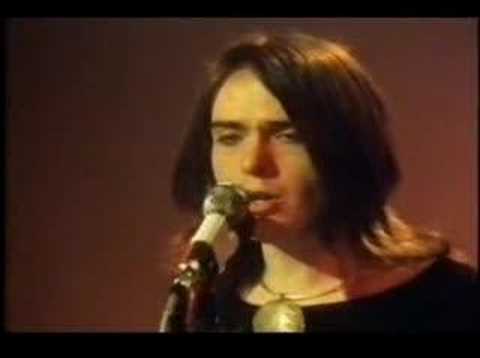
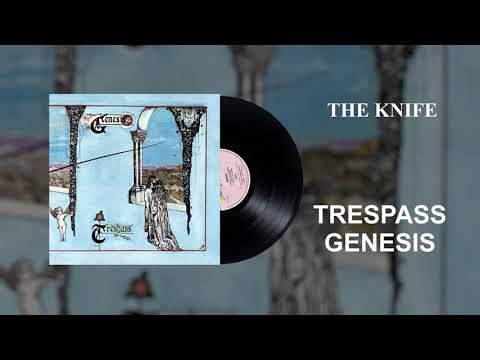
The band then launched into the Trespass classic “The Knife”, which Peter introduced in French. Tony’s organ led the charge, Mike Rutherford’s bass provided the driving force, and Steve Hackett – though still getting to grips with the song’s solos – delivered a strong performance by the end. Unfortunately, Peter’s flute section in the middle is missing from the recording. The audience, however, responded with enthusiasm, applauding loudly.

For the encore, Genesis performed “Going Out to Get You”, an early track that Peter described as “a very old number about passion.” Tony Banks dominated the piece, and Steve Hackett was barely audible – at times, it even seemed as if he wasn’t playing at all.

A Glimpse Into Genesis’ Creative Process

Listening to this rare recording is fascinating – not just because it includes unreleased songs, but also because it captures the band in the midst of developing their material, both musically and lyrically. Most notably, it features the only known live performance of “The Light”, making it an essential piece of Genesis history.

An Exhausting but Pivotal Moment

The concert was a success and a crucial milestone for Genesis. After the show, the exhausted band made their way back to the UK on the ferry, with Phil Collins limping home, nearly collapsing from sheer fatigue. Despite the rough journey, this first step into the international spotlight marked the beginning of Genesis’ rise as one of progressive rock’s most important bands.

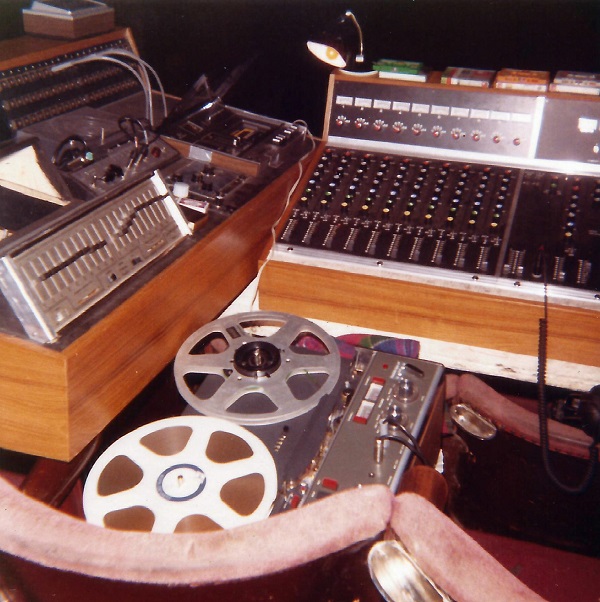
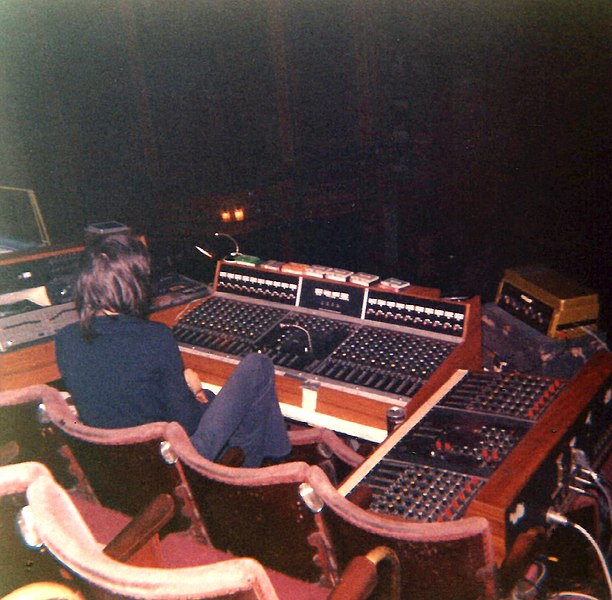
Photo: FOH PA mixing desk and associated gear for Genesis at a concert in the Liverpool Empire, 1970s, precise year unknown. Source: Wikimedia Commons, Rodhullandemu / CC-BY-SA-2.5 (https://creativecommons.org/licenses/by/3.0).
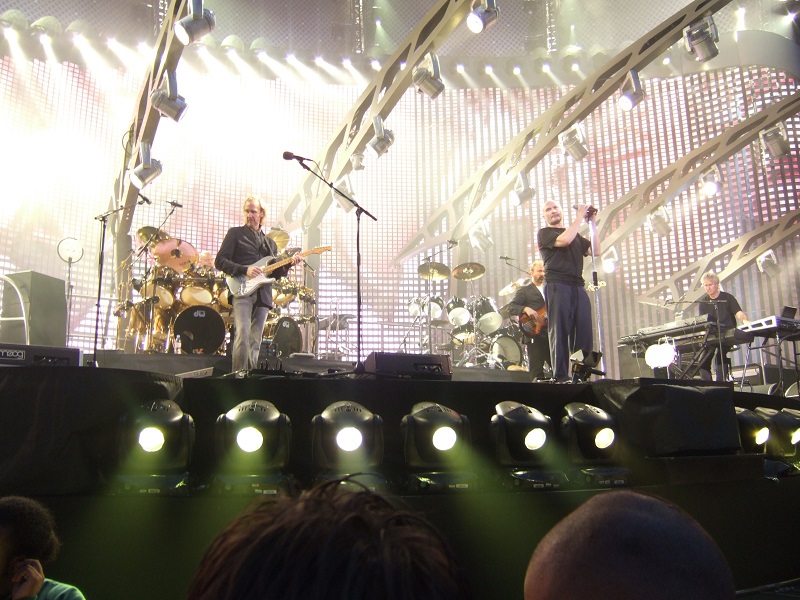
The ‘Turn It On Again’ Reunion Tour

On 11 June 2007, Genesis kicked off their long-awaited ‘Turn It On Again’ reunion tour in Helsinki, marking the official return of Phil Collins as lead vocalist.

The Reunion Announcement

On 7 November 2006, Tony Banks, Mike Rutherford and Phil Collins held a press conference to announce that Genesis would reunite for a European summer tour in 2007, followed by a North American leg in the autumn. It was the first time Collins had officially rejoined the band since leaving in 1996, despite a few brief appearances over the years.

Joining them on stage were longtime touring members Chester Thompson (drums) and Daryl Stuermer (guitar/bass), both of whom had not performed with Genesis since the We Can’t Dance Tour in 1992.

Rehearsing After 15 Years

The band’s first full show was scheduled for 11 June in Helsinki. With no new album to promote, Genesis had the freedom to revisit their extensive back catalogue. But rehearsing after a 15-year hiatus came with unexpected challenges.

Tony and Mike not only had to relearn many of the songs, they also had to transpose them to accommodate Phil’s deeper vocal range. Phil, in turn, had to reacquaint himself with lyrics, particularly those written by Tony Banks, which he had always found tricky. Songs like “Domino” and “Home By The Sea” with lines such as “Sheets of double glazing” or “Nylon sheets and blankets” had always tested his memory.

Listening back to past live performances, Phil noticed how often he had deviated from the original songs. For this tour, he made a conscious effort to stick to the original versions.

On top of that, he had to get back into Genesis drumming shape. While he had continued to play on solo tours, most notably during “In the Air Tonight”, tackling complex pieces like “Second Home By The Sea” required serious effort. Thankfully, Chester and Daryl were there to support the process, with Daryl even helping Tony and Mike remember their own parts.

Despite the time apart, the old chemistry was still intact. In fact, the dynamic between the three had improved. Tony and Mike had mellowed with age, while Phil had grown more serious. This allowed them to communicate more openly, discussing things they wouldn’t have dared bring up 15 years earlier.

The Setlist

Genesis had a vast library of music to choose from and the setlist reflected that. Fan favourites like “Follow You Follow Me”, “Invisible Touch”, “Mama”, and “I Can’t Dance” were all included.

One highlight was a heavier version of “Land of Confusion”, clearly influenced by Disturbed’s popular metal cover. It gave the song a modern edge and fresh energy.

The band also included more intricate tracks from the later years, such as “Domino” and “Home By The Sea”, two of Tony Banks’s personal favourites. They opened the show with a medley titled “Duke’s Intro”, combining the instrumental from “Behind the Lines” with a section of “Duke’s End”. It made for a powerful, dramatic opening that set the tone for the entire night.

Phil played more drums than he had on previous tours, and for “I Know What I Like”, he even brought back the iconic tambourine dance from 1976, something he had to rehearse again after years off.

Two surprises in the setlist were “Ripples”, from 1976’s A Trick of the Tail (Phil’s first album as lead vocalist), and a fragment of “Duke’s Travels”, which was folded into a medley. In fact, the set covered nearly every album from 1973 onwards. Each show ended on a high note with the emotional “Carpet Crawlers”, a beloved classic from The Lamb Lies Down on Broadway.

Behind the Scenes

Stage design for the tour was handled by the legendary Mark Fisher, while Patrick Woodroffe created a stunning lighting design. A massive screen behind the band displayed visuals tailored to each song, giving every track a unique atmosphere.

Nick Davis oversaw the live sound, and the band partnered with the Encore Series to offer high-quality soundboard recordings of every show, making each concert available to fans.

Opening Night in Helsinki

The tour kicked off in Helsinki on a warm summer night. The band delivered a flawless performance, the visuals hit every cue, and fans were thrilled to see Genesis live once again.

Phil would later reflect that while many had hoped for a new Genesis album, the ‘Turn It On Again’ tour felt more like a farewell than a comeback. The band continued through North America in the autumn before bringing the curtain down.

Looking back, all involved agreed: the best part of the tour wasn’t just the music, it was the joy of being back with old friends and laughing together again.

Photo: Genesis, ofwel: Phil Collins, Michael Rutherford, Tony Banks, Chester Thompson en Daryl Stuermer.}} |Source=Maikel Koek, via Wikiportrait |Date= |Author=Maikel Koek |Permission={{Wikiportrait|2008041010026495}} (https://creativecommons.org/licenses/by/3.0).

Genesis Archive 1967–1975: Opening the Vaults of the Gabriel Era

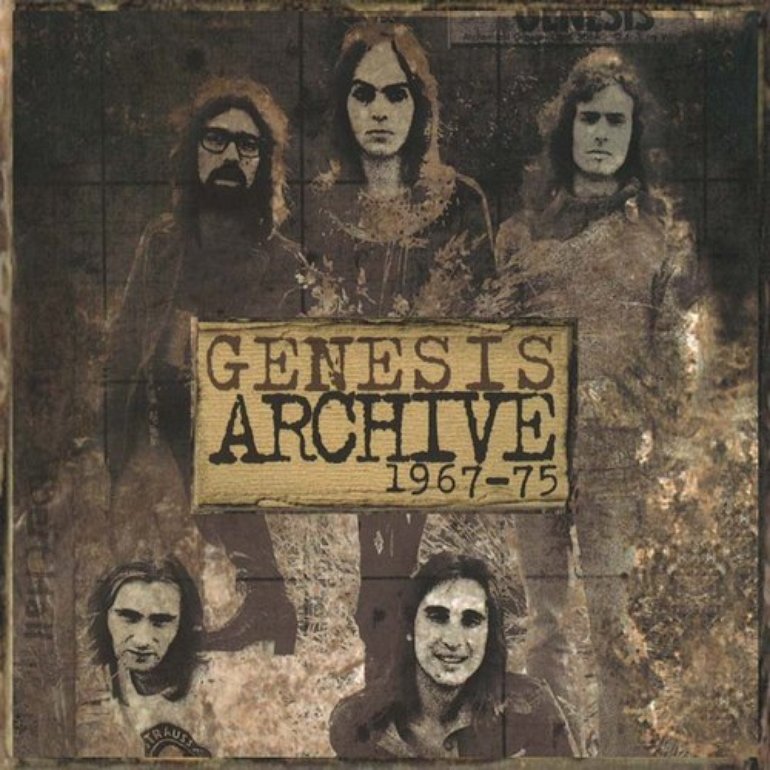
In June 1998, Genesis released the first of their two Archive box sets. Covering the years from 1967 to 1975, Genesis Archive 1967–1975 offered fans an unprecedented look into the band’s formative years and the entire Peter Gabriel era.

A Project Years in the Making

The idea of an extensive Genesis archive release had actually been around since 1994. Originally, the band planned to issue three separate box sets: one covering the Gabriel years, another spanning the late 1970s and early 1980s, and a third focusing on the band’s most commercially successful period from the mid-1980s onwards.

As so often happens with archival projects, plans changed. After several delays, the material was eventually condensed into two releases. The first, Genesis Archive 1967–1975, arrived in 1998. The second, Genesis Archive 2: 1976–1992, followed in 2000 and focused on the Phil Collins era.

Together, the two collections unearthed a wealth of previously unreleased live recordings, demos, B-sides and studio rarities.

The Complete Lamb Lies Down on Broadway Live Performance

The first two discs of Archive 1967–1975 are devoted to a complete performance of Genesis’s masterpiece, The Lamb Lies Down on Broadway.

During the band’s 1974–75 tour, the entire double album was performed live each night. Shortly after the tour ended, Peter Gabriel left Genesis, making these recordings particularly significant.

The performance featured on the box set was recorded at the Shrine Auditorium in Los Angeles. While it finally gave fans an official release of the complete Lamb show, one element was largely missing: many of Gabriel’s famous storytelling interludes between songs were edited out.

Revisiting the Past

The recording is not entirely untouched. In 1995, Peter Gabriel and Steve Hackett returned to add new vocal and guitar parts where the original tapes required restoration.

Gabriel recorded his contributions at his Real World Studios, and attentive listeners can often hear the difference between his 1970s voice and the one heard on the archive release. Another unavoidable limitation was the ending of “It,” which fades out because the original tape ran out before the song had finished.

Despite these alterations, the performance remains remarkable. The band sounds powerful and confident, while the audience’s enthusiasm is palpable throughout.

For the most part, the songs closely follow their studio counterparts. The major exception is “The Waiting Room,” the album’s experimental instrumental section, which was improvised differently each night. Highlights include the title track, “Fly on a Windshield,” and an especially moving version of “The Carpet Crawlers.”

Selling England Live at the Rainbow

Disc three shifts focus to the Selling England by the Pound tour of 1973, drawing primarily from performances recorded at London’s Rainbow Theatre.

For many fans, this was one of the most exciting aspects of the release. At last, official live versions of classics such as “Dancing with the Moonlit Knight” and “Supper’s Ready” became available with Peter Gabriel on lead vocals.

Unlike the Lamb recordings, Gabriel’s stage introductions and stories were preserved here, offering a valuable glimpse into Genesis’s legendary live performances of the early 1970s.

The disc also includes the band’s 1971 BBC recording of “Stagnation,” alongside non-album gems such as “Twilight Alehouse” and “Happy the Man.”

The Hidden Treasure: Disc Four

For many longtime fans, the fourth disc is the true jewel of the collection.

Dedicated to Genesis’s earliest years with guitarist Anthony Phillips, it features BBC sessions, demos and rare recordings from a period when the band’s identity was still taking shape.

Listening to these recordings feels like hearing Genesis becoming Genesis.

Among the highlights are early versions of songs that would later evolve into familiar classics, alongside lesser-known tracks such as “Hey!” that reveal a gentler, more pastoral side of the band’s music.

There is a distinctive atmosphere running through these recordings, one that many listeners associate with Anthony Phillips’s influence and which largely disappeared after his departure in 1970.

Some casual listeners may find this disc the most challenging, but for dedicated fans it is arguably the most rewarding.

A Comprehensive Package

Beyond the music itself, the box set included an impressive 82-page booklet featuring an extensive band history, rare photographs and interviews with members of Genesis and their associates.

The collection finally provided official live recordings of many Gabriel-era favourites. Prior to its release, the only official live album featuring Gabriel had been Genesis Live (1973), which covered material primarily from Trespass, Nursery Cryme and Foxtrot.

The inclusion of B-sides and previously unreleased songs such as “Twilight Alehouse” added even more value. Although some known demos and rarities remained absent from the final selection, Archive 1967–1975 was widely regarded as an extraordinary release.

Fans clearly agreed: the box set reached No. 35 on the UK Albums Chart.

A Rare Reunion at Heathrow

To promote the release, Genesis staged a remarkable reunion photo session at Heathrow Airport in May 1998.

Present were Tony Banks, Peter Gabriel, Mike Rutherford, Phil Collins, Steve Hackett, Anthony Phillips and original drummer John Silver. Even the band’s very first drummer, Chris Stewart, attended the dinner that followed the photo shoot.

Only Trespass-era drummer John Mayhew was absent.

For fans, the images were almost as exciting as the music itself: a rare gathering of nearly every significant figure from Genesis’s history.

Looking Ahead

The success of Archive 1967–1975 paved the way for a second collection. Released in 2000, Genesis Archive 2: 1976–1992 explored the Phil Collins era and completed the band’s ambitious effort to open its vaults.

More than twenty-five years later, Archive 1967–1975 remains an important release in the Genesis catalogue: a fascinating journey through the band’s early years and an essential document of the Peter Gabriel era.

The Last Show of “The Lamb” Tour – and Peter Gabriel’s Final Genesis Gig

On May 22, 1975, Genesis played the final show of their ambitious The Lamb Lies Down on Broadway tour. It would also mark the last time Peter Gabriel performed with the band as lead vocalist.

The Lamb Lies Down On Broadway: A Bold New Chapter

In 1974, Genesis entered the studio to record their most ambitious project yet: The Lamb Lies Down on Broadway. The double concept album told a surreal and complex story by Peter Gabriel, following a Puerto Rican teenager named Rael as he journeys through a strange underworld beneath New York City.

The urban American setting was a dramatic shift from the band’s earlier tales rooted in British folklore and fantasy. After touring North America, Genesis were aiming to break into the U.S. market. The Lamb was also their first true concept album (after an unsuccessful attempt on their debut), a hallmark of many progressive rock bands at the time.

Internally, however, tensions were mounting. Gabriel wrote all the lyrics and developed the story independently, while Tony Banks, Mike Rutherford, and Phil Collins composed most of the music during jam sessions at Headley Grange. Steve Hackett’s contributions were minimal, and the creative disconnect between words and music created friction. Only one track, “The Light Dies Down on Broadway”, had lyrics penned by Banks and Rutherford instead of Gabriel.

Behind-the-Scenes Tensions

Two key factors contributed to Gabriel’s growing estrangement from the band. First, he had attracted interest from The Exorcist director William Friedkin, who was keen to collaborate on a film. Gabriel was tempted, even considering leaving the band, but the project never materialized.

Second, Gabriel’s wife Jill gave birth to their first daughter, Anna, in July 1974. Complications following the birth drew Gabriel further away from the group. He was the first member to start a family, and this life change made him reassess his priorities and see a future beyond the band. His inner conflict bled into The Lamb‘s narrative, for example in the song “In the Cage,” where Rael cries, “Get me out of this cage!”

Upon release, The Lamb Lies Down on Broadway received mixed reviews and was commercially underwhelming. Ticket sales for the tour were below expectations, and several shows were cancelled. Though the album is now revered as a cult classic, its reception at the time was disappointing, particularly for Gabriel, who had poured his heart into the concept.

A Tour Like No Other

The band made the bold decision to perform the album in full on tour, even before many fans had a chance to hear it. Gabriel, already known for his theatrical costumes, pushed the visual spectacle even further, but it came at a cost. His elaborate outfits, including the infamous “Slipperman” costume, sometimes muffled his vocals or distracted from the music itself. The rest of the band grew frustrated, feeling the show had become more about theatrics than sound.

Technical problems were frequent. The stage used projected slides to accompany the story, but they often jammed or displayed out of sequence. In one infamous incident, a Peter Gabriel dummy meant to mirror him on stage was mysteriously swapped for a naked roadie. And during a song that required a small explosion, the production manager accidentally triggered a huge blast so loud that the band stopped mid-song. Peeking through the curtain, the crew member sheepishly said, “Sorry,” to which Phil Collins yelled, “You’re fired!”

Gabriel’s Departure

Midway through the tour, Gabriel made the decision to leave Genesis. Their manager Tony Smith was not surprised, but asked him to finish the remaining dates before making it public.

Gabriel’s final show with Genesis took place in Saint-Étienne, France, in May 1975. Ironically, it wasn’t meant to be the last show, but the scheduled final concert was canceled at the last minute. And so, without much fanfare, Peter Gabriel’s time with Genesis came to an end.

He had co-founded the band in 1967 alongside Tony Banks, Mike Rutherford, and Anthony Phillips. His departure, announced later that year, shocked fans and cast doubt over the band’s future. Could Genesis survive without their charismatic frontman?

As history would show — they could. And so could he.

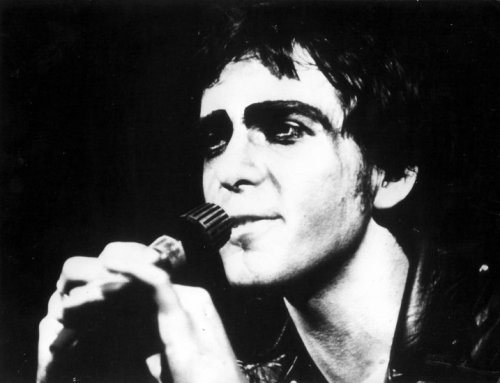
Photo: Peter Gabriel in 1975. Photographer unknown. https://commons.wikimedia.org/wiki/File: Peter_Gabriel,_April_1975.jpg. Unknown author / CC0 (https://creativecommons.org/licenses/by/3.0).

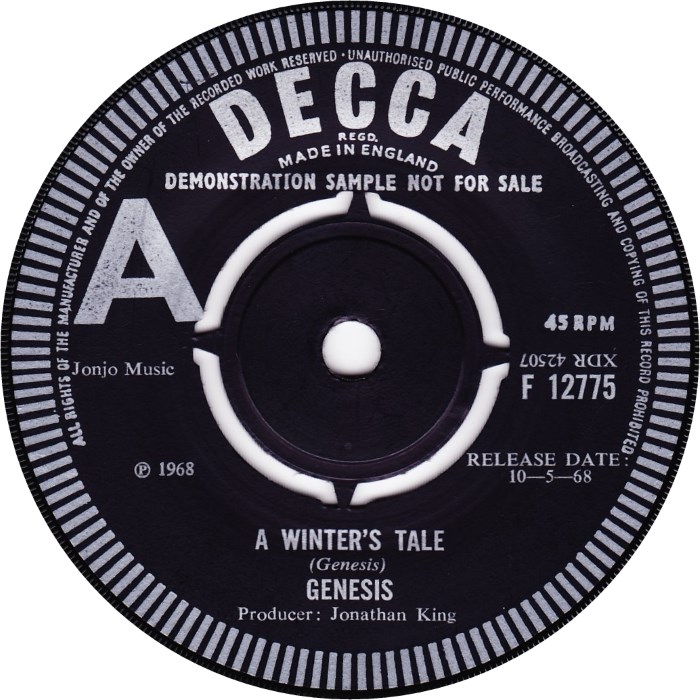
A Winter’s Tale (1968) – Genesis

On 10 May 1968, Genesis released their second single. Like its predecessor – and its successor – it failed to make an impact. Here’s the story behind A Winter’s Tale.

In 1968, Genesis were still schoolboys. The four classmates from Charterhouse were in their late teens when producer Jonathan King offered them a record deal. Tony Banks (keyboards), Peter Gabriel (vocals), Anthony Phillips (guitar), Mike Rutherford (guitar and bass), and Chris Stewart (drums) agreed. King chose to produce their first album himself, and it was he who came up with the name “Genesis,” symbolising both the band’s beginning and the start of his own career as a producer.

The first singles

Genesis had been writing pop songs while still at school, but by the time they signed their deal, they were already moving towards more adventurous material. Jonathan King, however, preferred straightforward pop. So, to please him, Tony Banks and Peter Gabriel wrote The Silent Sun, a deliberate nod to the Bee Gees, which King loved and released as their debut single. It flopped.

A Winter’s Tale

For their second single, A Winter’s Tale, Tony Banks and Peter Gabriel again collaborated. Like The Silent Sun, it’s a love song, but here, the band sounds more confident, particularly in the soaring chorus. Once again, Peter Gabriel’s distinctive voice takes centre stage, rising above a lush (and somewhat overpowering) string arrangement. Even at this young age, Gabriel’s vocal strength hinted at the frontman he would soon become.

Unfortunately, A Winter’s Tale also failed to chart. It received little radio play and only a couple of published reviews. New Musical Express praised the song’s “pulsating crescendo” and thoughtful lyrics, but continued: “The melody could have done with a little more substance.”1

Mike Rutherford recalls in his autobiography that the band brainstormed ways to boost airplay. Peter Gabriel suggested they hand the single directly to BBC Radio 1 DJ Tony Blackburn. Tony Banks was tasked with waiting outside Broadcasting House. Nervous and unsure, he apparently came across a little too forcefully when Blackburn emerged – likely startling him and not helping their cause.2

From Genesis to Revelation

Shortly after the release of A Winter’s Tale, drummer Chris Stewart left the band and was replaced by John Silver, who would record their debut album From Genesis to Revelation. The album was an ambitious concept piece about the history of mankind, but musically, it still leaned far more towards soft pop than progressive rock. To the band’s disappointment, King added even more lush string arrangements, giving the album a gentle, almost easy-listening feel.

A third single, Where the Sour Turns to Sweet, followed, but like the others, it failed to chart. Eventually, the growing divide between King’s pop sensibilities and the band’s evolving musical ambitions led them to part ways.

What remains from this era is a fascinating and surprisingly strong collection of songs recorded by a band still in their teens. Among them is A Winter’s Tale, a glimpse of what was to come.

(And as a footnote for collectors: there’s a curious story about a cover version of A Winter’s Tale by Rita Pavone’s brother – but that’s a tale for another time.)

  1. Thompson, Dave, Turn it on again. Peter Gabriel, Phil Collins & Genesis. (San Francisco: Backbeat Books, 2005), p. 18 ↩︎
  2. Rutherford, Mike (2014): The Living Years. London: Constable, p. 48. ↩︎

Ray Wilson Announced as New Genesis Frontman

On June 6, 1997, Tony Banks and Mike Rutherford announced the new lead singer of Genesis following Phil Collins’ departure: 28-year-old Ray Wilson.

When Phil Collins revealed in March 1996 that he would be leaving Genesis after 25 years, fans were eager to learn who would step into his shoes. Genesis had already weathered the departure of their original frontman, Peter Gabriel, back in 1975. Now, two decades later, Tony Banks (keyboards) and Mike Rutherford (guitars), the remaining founding members, were determined to carry on once more.

They began writing and recording new material, searching for a vocalist who could help them shape the band’s next chapter. Rumors swirled in the music press, speculating about possible replacements. Then, on June 6, 1997, it was official: Ray Wilson would be the new voice of Genesis.

Who is Ray Wilson?

Born in Dumfries, Scotland, on September 8, 1968, Ray had previously fronted the band Guaranteed Pure and was best known for his work with Stiltskin, whose hit single “Inside” reached number one in 1994, thanks in part to its use in a Levi’s commercial. So, while Ray wasn’t an unknown figure in music, the stylistic gap between Stiltskin and Genesis left both his fans and Genesis fans surprised and cautious.

Reflecting on the moment in the Songbook DVD, Ray recalled:
‘I was in my little studio writing songs. It was ten in the morning, I was making a coffee, and Tony Smith, the manager of Genesis, was on the phone: ‘Would you like to come and audition to replace Phil Collins?”

By then, Phil Collins’ massive solo success had blurred the public’s perception of Genesis. It was often seen as “Phil Collins and his band”. Taking over that role and shifting that image would be no easy task.

Calling All Stations

Ray joined Tony and Mike at The Farm, Genesis’ private studio in Surrey, to begin recording what would become Calling All Stations. Most of the songs had already been written by Banks and Rutherford, but Ray contributed several ideas of his own. The result was a darker, more melancholic record. The vibrant energy and accessible pop sensibility Phil had brought to the group were now absent, and with it, part of the familiar Genesis chemistry.

Still, Ray’s emotionally rich vocals suited the mood of the new material. His voice, more reminiscent of Peter Gabriel than Phil Collins, blended well with the brooding tone of the songs. Calling All Stations, like its predecessor We Can’t Dance, was produced by Nick Davis.

Three singles were released from the album: “Congo”, “Shipwrecked”, and “Not About Us”. Ray co-wrote the latter, along with “Small Talk” and “There Must Be Some Other Way.” Drums on the record were provided by Israeli session musician Nir Zidkyahu and Nick D’Virgilio from American prog-rock band Spock’s Beard.

Despite Ray’s strong performance, critics were less than kind. NME wrote dismissively that “the world doesn’t care enough about Genesis to make the effort” and claimed people had “forgotten why they were once any good.” Q magazine criticized the album for offering “just darkness, confusion, individual isolation,” calling it “one-paced and one-dimensional.”

Live in 1998: Ray on Tour

On tour, however, Ray proved his versatility. The setlist spanned the entire Genesis catalog from the pop-era hits like “Invisible Touch”, “No Son Of Mine”, and an acoustic version of “Follow You Follow Me”, to later epics such as “Home by the Sea”, and even classic Gabriel-era tracks like “Carpet Crawlers” and “The Lamb Lies Down on Broadway.” New material from Calling All Stations also held up well live. Some songs, like the title track, even sounded better on stage.

Ray, Mike, and Tony were joined on tour by Nir Zidkyahu on drums and Anthony Drennan on guitar and bass, effectively filling the shoes of Chester Thompson and Daryl Stuermer.

Commercial Struggles

Despite reaching No. 2 in the UK, Calling All Stations underperformed in the U.S., peaking at just No. 54. Ticket sales also fell short of expectations. As a result, the production and scale of the tour were scaled back and the planned American leg was cancelled entirely.

After the 1998 tour, Tony Banks and Mike Rutherford decided to put Genesis on indefinite hold.

Looking Back

Although this wasn’t the end of Genesis, in 1998 it certainly felt like it. And sadly, Ray Wilson, thrust into a difficult situation, was unfairly blamed by some critics and fans for the band’s lack of commercial success during this era.

But this criticism doesn’t hold up. Ray brought a unique voice and delivered both the new material and the classics whether originally sung by Peter Gabriel or Phil Collins with emotion and distinction.

Following the end of Genesis, Ray took time to regroup before launching a solo career. He has since released several solo albums and continues to perform live, often including Genesis songs in his setlists.

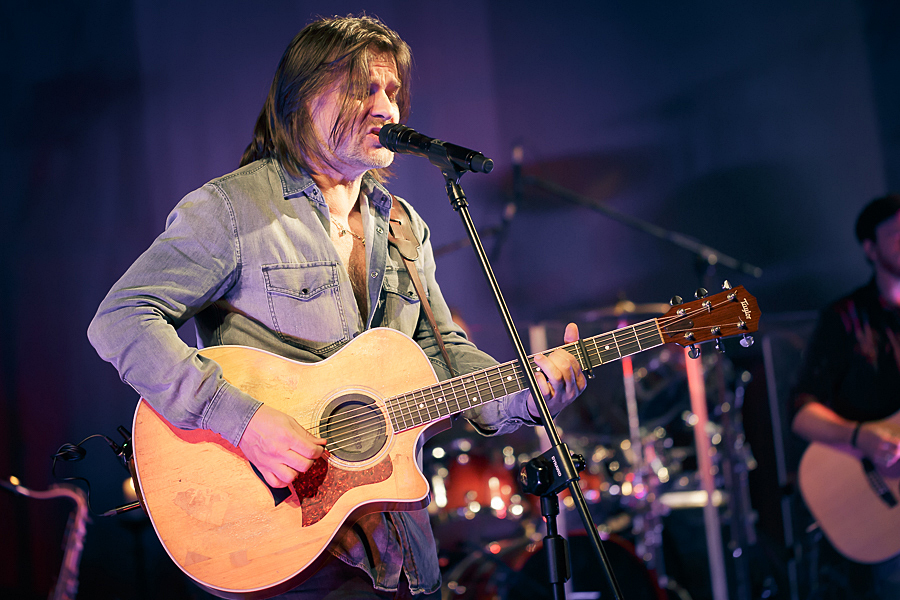
Title photo: Ray Wilson live in Dortmund in 2017 (Photo: André Wilms of ‘The Photography Of Mister Ilms)‘.

3×3 (EP, 1982) – Genesis

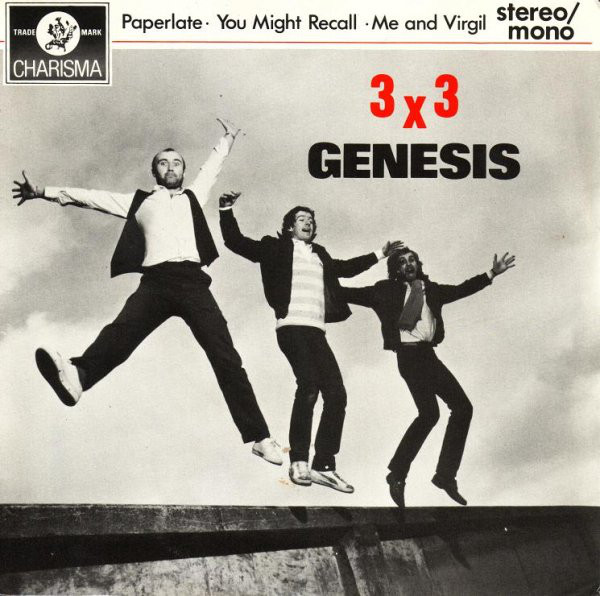
In May 1982, Genesis released 3×3, an extended play featuring three songs left over from the Abacab sessions – tracks that did not make it onto the album but were too good to shelve.

Three Unreleased Songs from the Abacab Sessions

Abacab (1981) marked a turning point for Genesis. With a new producer, Hugh Padgham, and their newly purchased studio – The Farm in Surrey – the band had the freedom to jam, experiment, and refine their sound. When the album was finalized, they found themselves with a few strong tracks that had not made the cut. Rather than letting them go to waste, they chose to release them on an EP the following year.

The songs – Paperlate, You Might Recall, and Me and Virgil – were all co-written by Tony Banks, Phil Collins, and Mike Rutherford. The 3×3 EP came out in May 1982, between two major tours. In the U.S., it was never released as an EP; only Paperlate appeared as a single, with You Might Recall on the B-side.

The Songs

Paperlate shares a similar vibe with No Reply at All from Abacab – funky, upbeat, and driven by the Earth, Wind & Fire horn section, who had also worked with Collins on his solo debut Face Value. The title “Paperlate” comes from a lyric in Dancing with the Moonlit Knight (from Selling England by the Pound, 1973). During a soundcheck in either 1978 or 1980, Phil kept repeating the line “Paperlate cried a voice in the crowd…”, which eventually sparked the idea for a new song.

You Might Recall is a more romantic tune, stylistically close to some of Mike Rutherford’s earlier ballads like Alone Tonight.

The final track, Me and Virgil, is a storytelling piece reminiscent of Deep in the Motherlode (1978). This time, it was Collins who penned a Wild West narrative, with the band attempting to capture the spirit of The Band. However, Collins later expressed dissatisfaction with the track, and it was notably left off the Genesis Archive 2 box set in 2000.

Beatles-Inspired Artwork

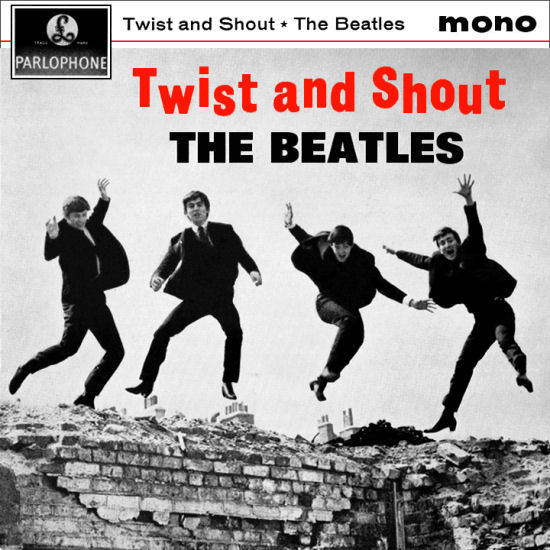
The EP’s cover art was a playful homage to the Beatles’ 1960s EPs, particularly Twist and Shout. Genesis even brought in Tony Barrow, the Beatles’ former press officer, to write the sleeve notes in a cheeky, retro style (“These cheeky chappies from Guildford…”).

Not everyone got the joke. One reviewer, unaware of the Beatles reference, assumed the design was serious. But fans appreciated the nod, and the band’s sense of humor shone through once again. The EP was a hit in the UK, and Paperlate earned the band another appearance on Top of the Pops, with the EP reaching No. 10 on the charts.

Three Sides Live and the U.S. Version of 3×3

Later that year, Genesis released the live album Three Sides Live. Since EPs did not sell particularly well in the U.S., the band opted to include the 3×3 tracks on the album’s fourth side instead of releasing them separately. To round out that side, they added two outtakes from the Duke sessions: Open Door (by Rutherford) and Evidence of Autumn (by Banks). The UK version, in contrast, featured a full fourth side of live material.

3×3 was never released as a standalone CD. However, Paperlate and You Might Recall were included in the Genesis Archive 2: 1976–1992 box set in 2000, which featured many previously unavailable tracks. All three EP songs, including a remixed Me and Virgil, were later made available on CD in the Genesis 1976–1982 box set.

We Can’t Dance in Tampa – The Story of the 1992 Tour

Tampa, Florida, 17 May 1992. It was only the fourth night of Genesis’ massive We Can’t Dance tour when the band had to leave the stage early after just two songs. Phil Collins was suffering from throat problems, and the show was cancelled after Land of Confusion and No Son of Mine, leaving a restless crowd behind. Thankfully, it was a one-off incident. The We Can’t Dance tour would go on to become one of the band’s biggest productions ever, both in scale and ambition.

Let’s take a closer look at this monumental tour.

A Blockbuster Album: We Can’t Dance

Released in 1991, We Can’t Dance was Genesis’ 14th studio album and it became another global smash. Even after nearly 25 years in the business, the band were still topping charts around the world. The album spawned four hit singles: No Son of Mine, I Can’t Dance, Hold On My Heart, and Jesus He Knows Me. Each of them came with its own high-budget music video. I Can’t Dance and Jesus He Knows Me, in particular, stood out for their sharp humour and clever production.

Stadiums, Screens, and Scale: The We Can’t Dance Tour

Naturally, such a successful album deserved a tour to match. More than 60 shows were scheduled across North America and Europe in 1992. While Genesis weren’t entirely comfortable with stadium gigs, they ultimately preferred three months of large-scale shows over a ten-month arena tour. The goal was clear: keep the tour tight and efficient.

The production went up a notch: three massive Sony Jumbotron video screens were installed behind the stage, ensuring that fans even in the furthest rows could see the band up close. Rehearsals took place inside the enormous Goodyear Blimp hangar in Houston, one of the few places big enough to house the full setup.

The Setlist and the Line-Up

Tony Banks, Phil Collins, and Mike Rutherford were joined once again by their trusted touring musicians Chester Thompson (drums) and Daryl Stuermer (guitar and bass). After weeks of rehearsals, the setlist came together: mostly material from We Can’t Dance, along with select tracks from Invisible Touch and Genesis, and of course the classic encore Turn It On Again.

A 20-minute medley brought back highlights from the band’s 1970s output. It was a refreshing change from the long-standing In the Cage medley, which had featured in live shows for years.

Trouble in Tampa

The tour kicked off on 8 May 1992 in Texas. But disaster struck on night four in Tampa. Phil Collins’ voice simply gave out. He had always taken care of his voice while on tour, using various treatments when needed and he knew the crowd could sing along if he had to take it easy. But this time, he just couldn’t go on. After Land of Confusion and No Son of Mine, the band had no choice but to walk off stage.

Fortunately, Phil recovered quickly, and the rest of the tour went ahead as planned. The first leg concluded in August with a massive open-air concert at Knebworth Park, which was broadcast on Premiere. The second leg kicked off in the autumn, taking the band across the UK, a region they hadn’t toured extensively during the 1980s. They made up for it with multiple dates at London’s Earl’s Court, which were filmed and later released as The Way We Walk: Live in Concert.

The Way We Walk – Capturing the Tour

The tour also resulted in a live double album: Live – The Way We Walk, split into two volumes — The Shorts and The Longs. Rather than presenting an entire show in sequence, the band divided the material into their hit singles and their longer, progressive epics. Some fans didn’t love this format, but it made sense at the time: casual listeners knew the hits, while long-time fans appreciated the deeper cuts. Later editions of the album would restore the original running order.

The Last Dance (For a While)

Unbeknownst to fans and band members alike, the We Can’t Dance tour would be the last Genesis tour with Phil Collins until the 2007 reunion. It was also the final tour for Chester Thompson and Daryl Stuermer, at least for the next 15 years.

No one knew it at the time, but this was the end of an era. For many fans, 1992 was the last chance to see this iconic lineup live. But, as Genesis fans now know, there was more to come — eventually.

But that’s another story.

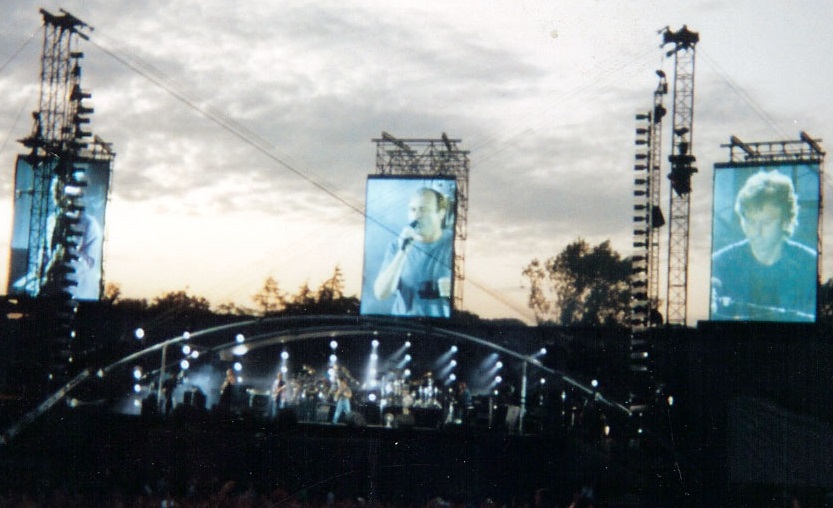
Title photo: Genesis Live- Land Of Confusion. Photo taken during the performance by Genesis of “Land of Confusion” in Knebworth, England (August 2nd, 1992). Source: Wikimedia Commons, Manny Hernandez/ CC-BY-SA-2.5 (https://creativecommons.org/licenses/by/3.0).

Live at the Roundhouse 1970

On March 11, 1970, Genesis played one of the most significant gigs of their early career at the Atomic Sunrise Festival at London’s legendary Roundhouse. The event, sponsored by Yoko Ono, featured artists such as David Bowie and Hawkwind. Just weeks later, Genesis signed their first major record deal with Charisma Records.

Genesis in Early 1970

At the start of 1970, Genesis were busy writing and rehearsing new material for their second album. Their debut album had failed to chart, and they had parted ways with producer Jonathan King and Decca Records. Determined to take a new direction, the band moved away from the pop-oriented style of their first record and embraced a more adventurous, experimental sound. At the time, Genesis consisted of: Peter Gabriel (vocals), Tony Banks (keyboards), Ant Phillips (lead guitar), Mike Rutherford (guitar and bass) and John Mayhew (drums).

Opening for David Bowie at the Roundhouse

Still an unknown band, Genesis saw the Atomic Sunrise Festival as a huge opportunity – especially since they were set to open for David Bowie.

Both Tony Banks and Peter Gabriel were big Bowie fans. Space Oddity had been released the previous year, and Bowie was already a rising star. His live shows at the time were highly theatrical, something that fascinated Gabriel. A few years later, Genesis would gain recognition for their elaborate stage performances, partly inspired by Bowie’s dramatic approach.

However, not everyone in the band was equally enthusiastic. While Gabriel was impressed by Bowie’s visuals, Banks felt that the theatrical elements took too much attention away from the music. This difference in perspective would later lead to tensions within Genesis, especially as Gabriel began incorporating costumes and masks into their own performances – something that divided opinions among the band.

The Atomic Sunrise Festival and Yoko Ono’s Involvement

At the Atomic Sunrise Festival, Genesis performed songs that would later appear on their second album, Trespass, including “Looking for Someone” and “The Knife” – both of which were captured in surviving video footage. It is also believed that they played “Twilight Alehouse”. In later interviews, Ant Phillips joked that this footage is the only visual proof that he ever performed with Genesis.

Despite the significance of the gig, the band’s experience was not entirely positive. Gabriel recalled that there were more people on stage than in the audience, and Phillips was so nervous that he could barely play – a stage fright that would later contribute to his decision to leave Genesis.

Still, both Banks and Phillips were impressed by the professionalism behind the scenes. Every performance at the festival was recorded on 8-track equipment, and parts of it were filmed. Since the event was backed by Yoko Ono, there’s a possibility that the full footage still exists somewhere in the Apple Records archives.

A few weeks after the show, Genesis signed with Charisma Records, and by the end of the year, they released Trespass. But changes were already on the horizon – Ant Phillips left the band, and a new drummer joined in the summer of 1970… but that’s a story for another time.

Title photo: Genesis mixing desk 2 – Revox A77 and associated gear for Genesis at a concert in the Liverpool Empire, 1970s, precise year unknown. Source: Wikimedia Commons, Rodhullandemu / CC-BY-SA-2.5 (https://creativecommons.org/licenses/by/3.0).

Genesis’ Induction into the Rock and Roll Hall of Fame (2010)

On March 15, 2010, Genesis was inducted into the Rock and Roll Hall of Fame. Phil Collins, Mike Rutherford, Tony Banks, and Steve Hackett attended the ceremony, accompanied by long-time live members Chester Thompson and Daryl Stuermer. Peter Gabriel, however, chose not to attend. The band was introduced by Phish frontman Trey Anastasio.

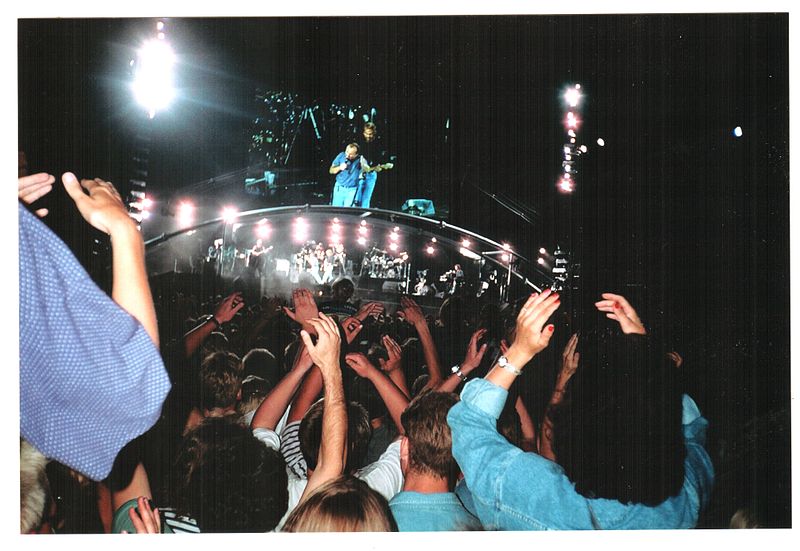
Live on the 29th of July, 1992. Kiel, Germany.

Phil Collins’ Health Issues Following the ‘Turn It On Again’ Tour

By the time Genesis received this honor, they had already been on hiatus for three years. Their last tour, Turn It On Again, took place in 2007, featuring Collins, Rutherford, and Banks, along with Stuermer and Thompson. The tour was a massive success, but it came at a cost.

During the tour, Phil Collins began experiencing numbness in his left arm and fingers while drumming. It was later revealed that he had suffered severe nerve damage in his neck and back – likely a result of decades of drumming. With his ability to play drums compromised, the prospect of future Genesis live performances seemed highly unlikely.

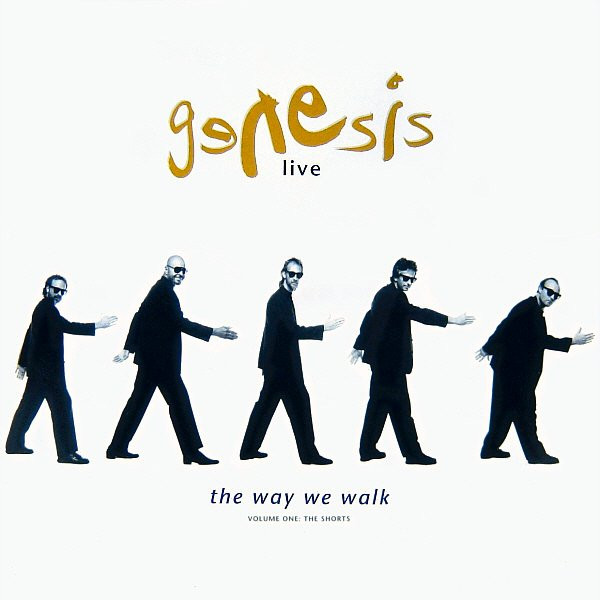
The Way We Walk: The Shorts (Cover) – from left to right: Daryl Stuermer, Chester Thompson, Mike Rutherford, Tony Banks, Phil Collins

Would Peter Gabriel Reunite with His Former Bandmates?

As news of Genesis’ induction spread, speculation ran wild. Would all former members attend? Would Peter Gabriel make a surprise appearance? Would they even perform together?

The answer was a clear no. Gabriel was preparing for his own tour and opted out of the ceremony. Over the years, he had distanced himself from Genesis, having left the band in 1975 to embark on a highly successful solo career. He had no interest in rekindling the past and, to put an end to the rumors, simply stayed away. However, the other four core members – Banks, Rutherford, Collins, and Hackett – were present, along with their families and longtime touring musicians Stuermer and Thompson.

The induction speech was delivered by Trey Anastasio of Phish.

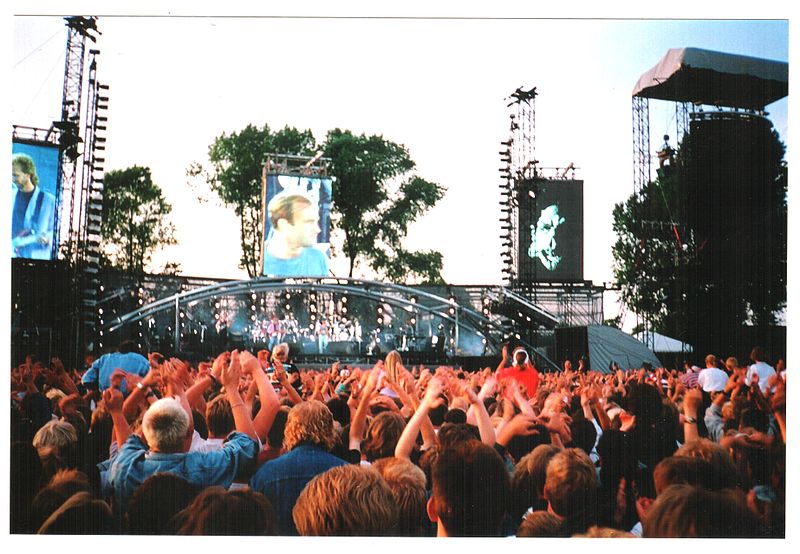
Genesis live, July 29th, 1992 Kiel, Germany. The Nordmarksportfeld.

Phish’s Performance: Two Unusual Genesis Songs

Phish performed two Genesis songs that evening: Watcher of the Skies and No Reply at All – one from each era of the band, yet both somewhat unconventional choices. Interestingly, they seemed to struggle more with the ‘pop’ track No Reply at All than with the complex, progressive Watcher of the Skies.

Trey Anastasio’s speech was a highlight of the night. Rather than rehashing well-known Genesis anecdotes, he provided a musician’s perspective on the artistry behind Trespass, Selling England by the Pound, and Duke. His speech was a fitting tribute, emphasizing that Genesis wasn’t being honored merely for their commercial success, but for their musicianship and innovation.

A Bittersweet Moment for Genesis Fans

When the four classic members took the stage, Rutherford, Collins, and Hackett each shared a few words. (Hackett’s speech, admittedly, was a bit awkward.) Rutherford acknowledged Gabriel’s absence, explaining that he was busy preparing for an orchestral tour.

Later, Phil Collins admitted he was actually relieved that Gabriel hadn’t attended – otherwise, the night would have been overshadowed by inevitable questions about a possible reunion. The induction felt like a final chapter in Genesis’ long and storied career, a celebration rather than a new beginning.

Unbeknownst to fans at the time, this would be the last public appearance of Genesis for many years – and also the final time Chester Thompson would stand alongside them.

Trey Anastasio summed it up best when he described Genesis as ‘rebellious, restless, and constantly striving for something more.’ Few statements could better encapsulate the essence of their career.

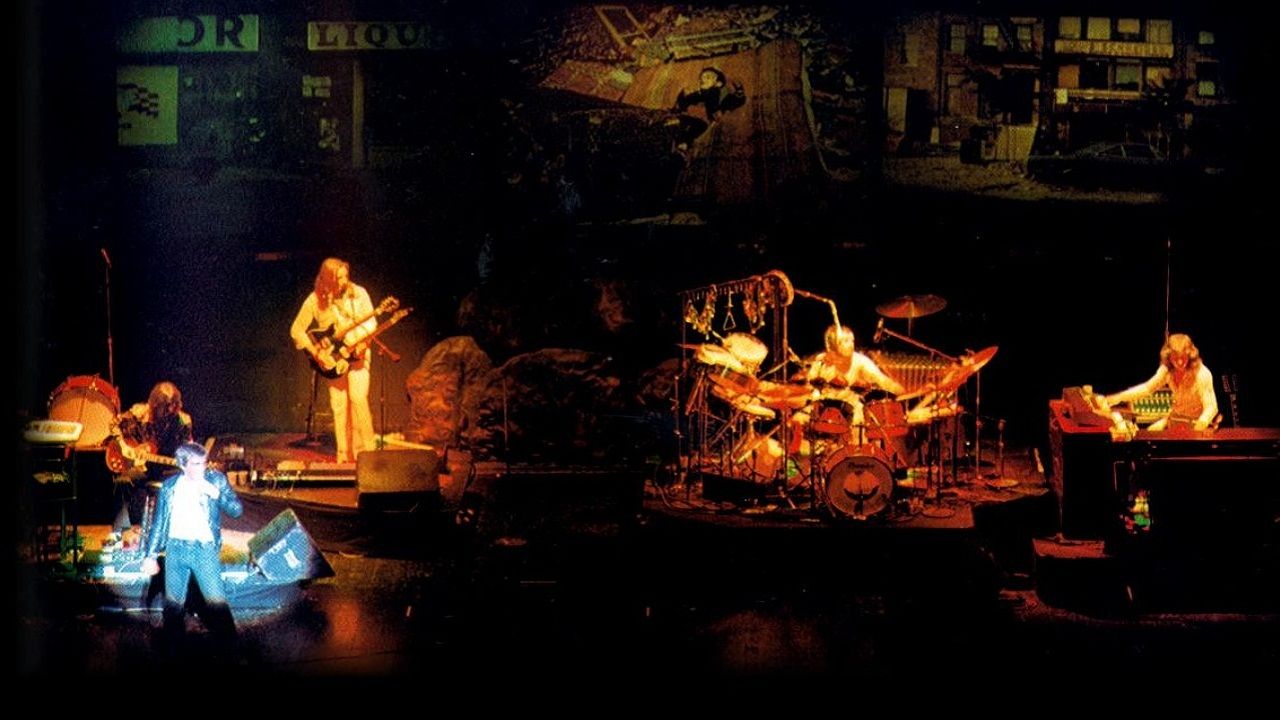
Title photo: Genesis on stage during the The Lamb Lies Down On Broadway tour, 1974-75. Source: Wikimedia Commons, Nick Contador/ CC-BY-SA-2.5 (https://creativecommons.org/licenses/by/3.0).

First photo: Genesis live, July 29th, 1992 Kiel, Germany. The Nordmarksportfeld. Source: Wikimedia Commons, Derzsi Elekes Andor/ CC-BY-SA-2.5 (https://creativecommons.org/licenses/by/3.0).

Second Photo: The Way We Walk – The Shorts (Cover).

Third photo: Genesis live, July 29th, 1992 Kiel, Germany. The Nordmarksportfeld. Source: Wikimedia Commons, Derzsi Elekes Andor/ CC-BY-SA-2.5 (https://creativecommons.org/licenses/by/3.0).
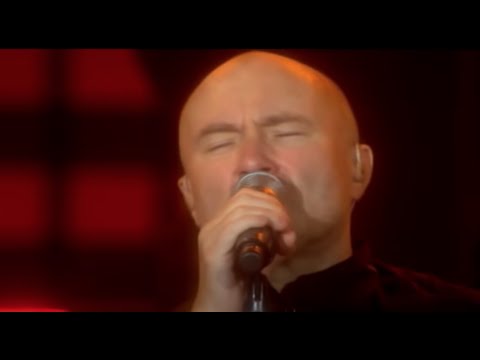
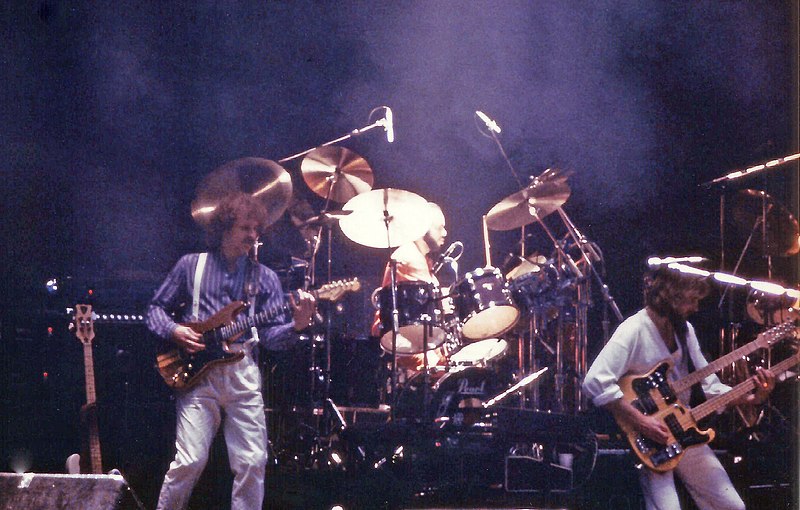
Fourth photo: Daryl Stuermer, Chester Thompson and Mike Rutherford, Liverpool Empire, Duke Tour 1980. Source: Wikimedia Commons, Rodhullandemu/ CC-BY-SA-2.5 (https://creativecommons.org/licenses/by/3.0).
Fourth photo: Genesis, Phil Collins, Strasbourg, October 1981. Source: Wikimedia Commons, Philippe Roos from Strasbourg/ CC-BY-SA-2.5 (https://creativecommons.org/licenses/by/3.0).